Skip to content

Costs · New Puppy

Puppy First-Year Cost & Vaccination Schedule Calculator

Choose shelter or breeder, your puppy's expected size and your state. You'll get a first-year budget plus a dated vaccine schedule you can take to your vet.

Updated Runs privately in your browser How we calculate

Your new puppy

First-year budget · Texas

A medium puppy's first year in Texas typically costs about $3,068 — about $255 a month.

First year$3,068
Per month$255
Likely range$1,682 – $5,435

−$127 vs US average ($3,195)

  • Shelter adoption fees usually include spay/neuter, first vaccines and a microchip — often worth $500+ in vet services.
  • Buy a crate sized for the adult dog with a divider instead of buying two crates.
  • Enroll in insurance while your pet is young and healthy, before any condition can be labeled pre-existing.
  • Wellness plans at some clinics bundle first-year vaccines and exams at a discount — compare the total to à-la-carte pricing.

Itemized first-year budget

Adoption fee (shelter / rescue)$175
Puppy exams & vaccine series$385
Fecal tests & deworming$65
Flea/tick + heartworm prevention (year)$295
Spay / neuter$430
Microchip + registration$48
Puppy food (first year)$545
Treats & chews$120
Supplies (crate, bed, bowls, leash, toys)$295
Puppy classes / training$190
Pet insurance (accident & illness)$520
Typical total$3,068
Optional items (tick to include)
  • Vet services follow your state cost index; food and supplies vary less by location.

Same first year in other states

Tap a state to switch the estimate.
StateTypicalRangevs selected
$4,155+$1,087
$4,220+$1,152
$3,900+$832
$3,068Selected
$3,260+$192
$3,355+$287
$2,845−$223
$3,035−$33

Puppy vaccination schedule

AgeVaccinesNotes
6–8DHPP #1First exam, fecal test and deworming; start heartworm/flea prevention as advised.
10–12DHPP #2, Leptospirosis #1 (lifestyle), Bordetella (lifestyle)Lyme vaccine in tick areas; deworming repeated.
14–16DHPP #3, Leptospirosis #2, Rabies (per state law)Final puppy series; puppies are not fully protected until ~2 weeks after the last dose.
52–64DHPP booster, Rabies booster, Leptospirosis boosterFirst annual wellness visit; then DHPP every 3 years per AAHA guidelines.
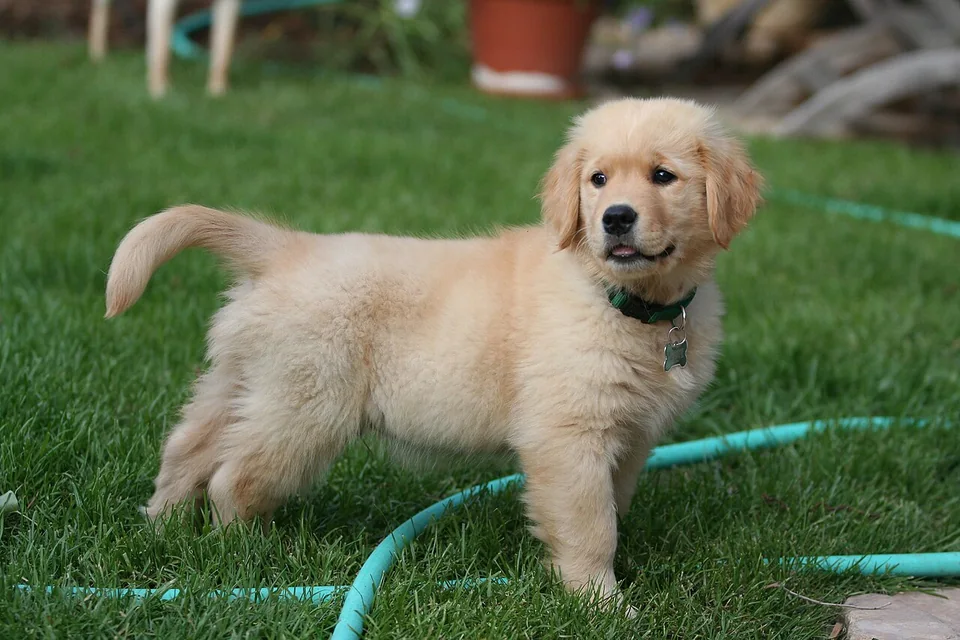
Young Golden Retriever standing on green grass
Costs · New Puppy

Regular weigh-ins help you follow your puppy's growth.*

Puppy vaccination schedule (6–16 weeks)

Puppies get some protection from their mother's milk, but it fades unpredictably between about 6 and 16 weeks. That's why vaccines are given as a series every 2–4 weeks — so one of the doses "takes" as mom's antibodies wear off. This schedule follows the American Animal Hospital Association (AAHA) guidelines. Your vet may adjust it for your puppy's lifestyle and your state's rabies law.

Typical puppy vaccine schedule
AgeCore vaccinesLifestyle vaccinesAlso at this visit
6–8 weeksDHPP #1Bordetella (if needed)Exam, fecal test, deworming; start parasite prevention
10–12 weeksDHPP #2Leptospirosis #1; Lyme or canine influenza if your vet advisesExam, deworming
12–16 weeksRabies (single dose, per state law)—Often combined with the DHPP visit
14–16 weeksDHPP #3 (final dose at 16 weeks or later)Leptospirosis #2; second Lyme/flu dose if startedExam; discuss spay/neuter timing
About 6 months——Spay/neuter for many breeds (large breeds may wait longer)
12–16 monthsDHPP booster; rabies boosterLeptospirosis and Bordetella yearlyFirst adult wellness exam; heartworm test

DHPP protects against distemper, adenovirus (hepatitis), parvovirus and parainfluenza. After the 1-year booster, DHPP is usually given every 3 years, and rabies every 1 or 3 years depending on the vaccine and state law. Leptospirosis — spread through wildlife and rat urine, even in cities — is now recommended by AAHA for most dogs and needs a yearly booster.

Puppy first-year cost: shelter vs. breeder

Here's a medium-sized puppy (about 25–50 lb as an adult) at average US prices with mid-range food. The calculator adjusts every line for your puppy's size and your state.

Estimated first-year budget, medium puppy
ItemShelter (typical)Breeder (typical)Range
Adoption fee / purchase price$175$2,000$50–$400 / $800–$4,000
Puppy exams and vaccine series$400*$400$250–$650
Fecal tests and deworming$70$70$40–$120
Flea, tick and heartworm prevention$300$300$180–$480
Spay / neuterOften included$450$200–$800
Microchip and registrationOften included$50$25–$75
Food (first year)$550$550$350–$900
Treats and chews$120$120$60–$250
Crate, bed, bowls, leash, toys$300$300$150–$600
Puppy classes / training$200$200$120–$400
Total≈ $2,100≈ $4,450

*Shelter puppies usually arrive with their first vaccines and deworming done, so your remaining series may cost less.

Optional extras: pet insurance adds about $300–$900 for the year, and grooming $100–$800 for coated breeds. Food is the biggest ongoing cost — the dog food calculator shows monthly costs by food type.

Ways to save safely

  • Adopt: shelter fees usually bundle spay/neuter, vaccines and a microchip worth $500 or more.
  • Buy one crate sized for the adult dog, with a divider to adjust as your puppy grows.
  • Ask about puppy wellness plans that bundle exams and vaccines for a monthly fee, and compare the total with paying per visit.
  • Enroll in insurance early, before any condition can be labeled pre-existing. The pet insurance calculator shows whether it's likely to pay off.
  • Don't skip preventives or vaccines. Treating parvovirus can cost thousands; the vaccine series costs a few hundred.
Methodology: how this calculator works
The first-year budget adds typical US ranges for adoption fee or purchase price, puppy exams and vaccines, fecal tests and deworming, flea, tick and heartworm prevention, spay or neuter, microchip, food, treats, supplies and training, with optional grooming and insurance. Vet services scale with a state cost index; food and supplies scale less with location. The vaccine schedule follows the 2022 AAHA Canine Vaccination Guidelines; your vet may adjust it for your puppy's risks and local laws.

Read the full methodology, formulas and source list

Frequently asked questions

What shots does a puppy need and when?
Following AAHA guidance, puppies get the DHPP combination vaccine (distemper, adenovirus, parvovirus and usually parainfluenza) every 2–4 weeks from about 6–8 weeks until at least 16 weeks old. Rabies is given once between 12 and 16 weeks, as required by state law. Leptospirosis is now recommended for most dogs as two doses 2–4 weeks apart, starting from about 8–12 weeks. Bordetella (kennel cough) is added for dogs that meet other dogs, board or go to daycare.
How much does a puppy cost in the first year?
A medium-sized puppy adopted from a shelter typically costs about $1,400–$4,700 in the first year, with about $2,100 a common middle figure when the adoption fee already covers spay or neuter and a microchip. From a breeder, the purchase price usually brings the total to about $2,200–$8,300. Large and giant breeds cost more for food, preventives and spay/neuter.
When is my puppy fully vaccinated?
Puppies are not considered fully protected until about 2 weeks after their final DHPP dose, given at 16 weeks or later. Until then, avoid dog parks, pet store floors and areas where unknown dogs gather, but do socialize your puppy safely with healthy, vaccinated dogs and new people, sounds and surfaces.
How much do puppy shots cost?
The full series of puppy exams and vaccines usually costs about $250–$650 in total, depending on your state and which optional vaccines your puppy needs. Low-cost vaccine clinics and shelters often charge less.
Is it cheaper to adopt from a shelter or buy from a breeder?
A shelter is almost always cheaper. Adoption fees of about $50–$400 usually include spay or neuter, first vaccines, deworming and a microchip, which can be worth $500 or more in vet care. Breeder puppies often cost $800–$4,000 or more, and you'll still pay for spay or neuter and some vaccines.

Informational tool only — not a substitute for veterinary medical advice. Results are estimates built from published veterinary references and the details you enter. Your pet's needs can differ, so confirm feeding plans, health concerns and costs with your veterinarian. If you suspect poisoning or an emergency, call your vet or an emergency animal hospital now. Full veterinary disclaimer.

Photo: Scott, CC BY 2.0 (Wikimedia Commons)