






How to use these nutrition calculators
Good feeding decisions follow a simple order: work out how much energy your pet needs, translate that into the food you actually buy, then check the result against your pet's body condition over the next few weeks. Each calculator here handles one step, and they share the same formulas, so the numbers stay consistent as you move between them.
1. Daily calories
Veterinary nutritionists estimate a pet's daily energy needs from body weight using the resting energy requirement, RER = 70 × kg0.75, multiplied by a factor for life stage and activity. Puppies and kittens need two to three times their RER, while a less active spayed or neutered adult may need only 1.2–1.6 times. If your pet is overweight, calories are calculated for the target weight, not the current one.
2. Portions and cost
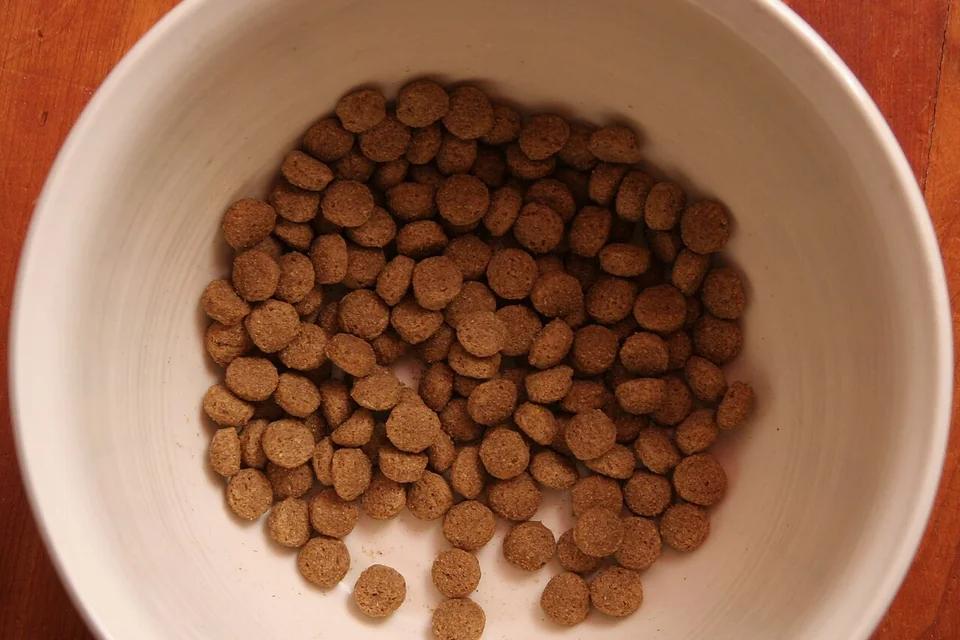
Most US pet food labels list calories as kcal per kg and kcal per cup or can. Because calorie density ranges widely, from about 300 to over 500 kcal per cup for dry food, two foods can need very different scoops for the same dog. Our food calculators convert calories into cups, cans or grams and estimate what that costs per month.
3. Growth and life stage
Growing puppies follow predictable curves that depend on adult size. Large and giant breeds grow for longer and are more sensitive to overfeeding, which can stress developing joints. The puppy weight calculators compare your puppy's current weight with size-class growth curves to estimate adult weight, and the age calculators show which life stage your dog or cat is in.
Check the result against your pet
A calculator gives you a starting point, not a prescription. Weigh your pet every two to four weeks and use a 9-point body condition score: at the ideal score of 4–5, you can feel the ribs easily under a thin layer of fat and see a waist from above. If the scale or the waistline is moving the wrong way, adjust portions by about 10% and recheck.