Skip to content

Safety · Poisoning

Dog Chocolate Toxicity Calculator

Enter your dog's weight, the type of chocolate and how much was eaten. You'll get the dose in mg/kg, a risk level and clear next steps. If your dog already has symptoms, call your vet now.

Updated Runs privately in your browser How we calculate

What happened

lb

Check the wrapper: a standard milk chocolate bar is about 1.55 oz (44 g); a cup of semisweet chips is about 6 oz.

Risk level

Mild to moderate toxicity (20–40 mg/kg)

Call your veterinarian or a pet poison hotline now. If eaten within the last 1–2 hours, your vet may induce vomiting — do NOT do this at home without professional guidance.

Dose30.3 mg/kg
Theobromine300 mg
First signs at1.3 oz
Chocolate eaten2.0 oz Dark / semisweet chocolate (50–69% cacao)
Dog's weight25.0 lb
Theobromine300 mg (26.5 mg/kg)
Caffeine44 mg (3.9 mg/kg)
Total methylxanthines30.3 mg/kg
First signs possible at1.3 oz of this product

This amount also contains a lot of fat, which can trigger pancreatitis 1–4 days later (vomiting, belly pain, lethargy).

Signs to watch for

  • Vomiting and diarrhea
  • Increased thirst and urination
  • Restlessness, hyperactivity
  • Panting

Signs usually start 6–12 hours after eating and can last 72 hours (theobromine is eliminated slowly in dogs). Includes semisweet chips; roughly 2.5× the theobromine of milk chocolate.

Same amount across all chocolate types

ChocolateMethylxanthinesDoseRisk
White chocolate2 mg0.2 mg/kgMinimal
Milk chocolate128 mg11.3 mg/kgMinimal
Dark / semisweet chocolate (50–69% cacao)344 mg30.3 mg/kgMild–moderate
Dark chocolate (70–85% cacao)530 mg46.7 mg/kgModerate–severe
Baking chocolate (unsweetened)880 mg77.6 mg/kgEmergency
Dry cocoa powder (unsweetened)1,614 mg142.3 mg/kgEmergency
Cocoa bean mulch (garden)540 mg47.6 mg/kgModerate–severe

ASPCA Animal Poison Control Center: (888) 426-4435 · Pet Poison Helpline: (855) 764-7661 (consultation fees may apply). If your dog is collapsing, seizing or struggling to breathe, go to the nearest emergency vet now.

This tool is an educational reference based on published veterinary toxicology data (Merck Veterinary Manual, ASPCA APCC). Individual dogs vary, product content varies, and a 'low' result does not guarantee safety. It does not replace advice from your veterinarian or a poison control service.

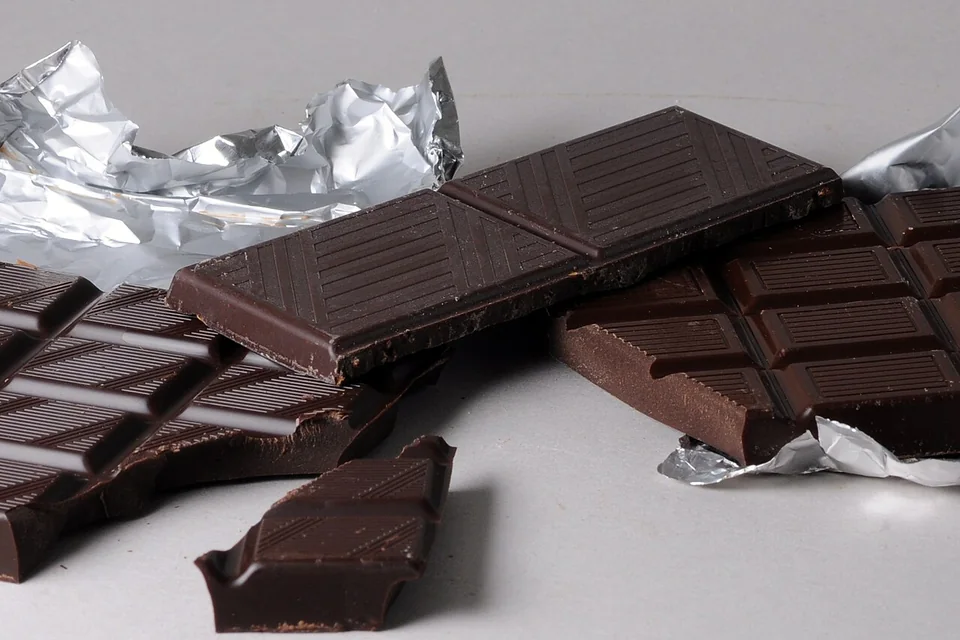
Pieces from three bars of dark chocolate
Safety · Poisoning

Chocolate type and the amount eaten both matter when assessing exposure.*

My dog ate chocolate — what do I do right now?

  1. Move your dog away from any remaining chocolate and keep the wrapper.
  2. Note four things: your dog's weight, the type of chocolate, how much is missing, and roughly when it was eaten.
  3. Use the calculator above to estimate the dose.
  4. Call for advice — your vet, the nearest emergency clinic, or the ASPCA Animal Poison Control Center at (888) 426-4435 (a consultation fee may apply). Vets can often make your dog vomit safely within the first 1–2 hours, which keeps most of the chocolate from being absorbed.
  5. Don't make your dog vomit at home unless a vet or poison control tells you to. Home remedies can cause their own injuries.

How much chocolate is toxic to dogs?

Chocolate contains theobromine and caffeine, stimulants that dogs break down very slowly. What matters is the dose per kilogram of body weight, which depends on the dog's size and how dark the chocolate is.

Chocolate risk levels by dose (theobromine + caffeine)
DoseRiskTypical signs
Under 20 mg/kgMinimalUsually none, or a mild upset stomach
20–40 mg/kgMild to moderateVomiting, diarrhea, thirst, restlessness, frequent urination
40–60 mg/kgModerate to severeRacing heart, abnormal heart rhythm, high blood pressure, agitation
60+ mg/kgSevere — emergencyMuscle tremors, seizures, very high temperature, collapse

Dogs with heart disease, seizure disorders, older dogs and very small dogs can react at lower doses. When in doubt, call.

Dog chocolate toxicity chart by type

The darker and less sweet the chocolate, the more theobromine it contains. The last three columns show roughly how much would bring a dog to the 20 mg/kg level, where mild signs begin.

Theobromine and caffeine per ounce, and amount reaching 20 mg/kg
Chocolate typeTheobromine (mg/oz)Caffeine (mg/oz)10 lb dog30 lb dog60 lb dog
White chocolate0.250.85Not reachable in practice — fat and sugar are the concern
Milk chocolate5861.4 oz4.3 oz8.5 oz
Semisweet / dark 50–69%150220.5 oz1.6 oz3.2 oz
Dark 70–85%230350.3 oz1.0 oz2.1 oz
Unsweetened baking chocolate393470.2 oz0.6 oz1.2 oz
Dry cocoa powder737700.1 oz (about 1/2 tbsp)0.3 oz0.7 oz
Cocoa bean mulch56–900 (varies)15Treat any amount seriously

For reference, a standard milk chocolate candy bar is about 1.5 oz, a level tablespoon of semisweet chips is about 1/2 oz, and one tablespoon of cocoa powder weighs about 5 g (0.19 oz). Brownies, cakes and cookies can contain baking chocolate or cocoa, so they are often more dangerous than they look.

White and milk chocolate: the fat problem

Even when the theobromine dose is low, a large amount of chocolate — especially white chocolate, milk chocolate, or rich desserts — can trigger vomiting, diarrhea or pancreatitis. Signs include repeated vomiting, a painful belly, a hunched "praying" posture and lethargy over the next 1–4 days. Small breeds and dogs with a history of pancreatitis are at higher risk.

Can a dog survive eating chocolate?

Yes — most do, particularly with early care. Treatment may include inducing vomiting, activated charcoal, IV fluids, heart monitoring and medication to control tremors. Severe cases can be life-threatening, so the sooner a vet is involved, the better the outlook. If you're worried about the cost of an emergency visit, the vet visit cost calculator shows typical emergency ranges by state.

Methodology: how this calculator works
Dose = (theobromine + caffeine in the amount eaten) ÷ body weight in kg, using typical methylxanthine contents per ounce from veterinary toxicology references (for example milk chocolate about 58 mg theobromine and 6 mg caffeine per oz; 70–85% dark about 230 + 35; baking chocolate about 393 + 47; dry cocoa powder about 737 + 70). Risk bands follow Merck Veterinary Manual thresholds: under 20 mg/kg minimal; 20–40 mild to moderate; 40–60 moderate to severe; 60+ severe. Brands vary, so the result is an estimate and never replaces advice from a veterinarian or poison control.

Read the full methodology, formulas and source list

Frequently asked questions

How much chocolate is toxic to a dog?
Mild signs can start at about 20 mg of theobromine and caffeine per kg of body weight, heart effects at about 40 mg/kg and seizures at about 60 mg/kg. For a 30 lb dog, roughly 4 oz of milk chocolate, 1 oz of 70% dark chocolate or 0.6 oz of unsweetened baking chocolate can reach the 20 mg/kg level. Darker chocolate is far more dangerous.
How long after eating chocolate will I know if my dog is OK?
Signs usually appear 6–12 hours after eating chocolate and can last up to 72 hours, because dogs clear theobromine slowly. If your dog shows no signs at all 24 hours after a small exposure, serious poisoning is unlikely, but keep watching for 3 days. Don't wait for symptoms after a large or dark-chocolate exposure; call your vet right away.
Can a dog survive after eating chocolate?
Yes. Most dogs that eat chocolate recover, especially when they are treated early. Vets can make the dog vomit within the first couple of hours, give activated charcoal and treat heart and nervous-system effects. Severe poisoning with seizures or heart rhythm problems can be fatal, which is why fast action matters.
What should I do if my dog ate chocolate?
Note your dog's weight, the type of chocolate, how much is missing and when it was eaten, and keep the wrapper. Use the calculator, then call your vet, an emergency clinic or the ASPCA Animal Poison Control Center at (888) 426-4435 (a fee may apply). Don't make your dog vomit at home unless a vet tells you to.
Is white chocolate dangerous for dogs?
White chocolate contains almost no theobromine, so true chocolate poisoning is very unlikely. But it is high in fat and sugar, and a large amount can cause vomiting, diarrhea or pancreatitis, a painful inflamed pancreas. Watch for belly pain, hunching, vomiting or lethargy over the next 1–4 days.
Which type of chocolate is most dangerous for dogs?
Unsweetened cocoa powder and baking chocolate are the most dangerous, followed by high-percentage dark chocolate, semisweet chocolate and then milk chocolate. Cocoa bean garden mulch is also dangerous. White chocolate is the least toxic, though still unhealthy.

Informational tool only — not a substitute for veterinary medical advice. Results are estimates built from published veterinary references and the details you enter. Your pet's needs can differ, so confirm feeding plans, health concerns and costs with your veterinarian. If you suspect poisoning or an emergency, call your vet or an emergency animal hospital now. Full veterinary disclaimer.

Photo: Simon A. Eugster, CC BY-SA 3.0 (Wikimedia Commons)