Skip to content

Costs · Dental Care

Dog Dental Cleaning Cost Estimator

Choose your dog's size, age, gum disease grade and state, and add any expected extractions. You'll get an itemized estimate that matches how vet clinics actually build a dental bill.

Updated Runs privately in your browser How we calculate

Your dog's teeth

lb
yr

Estimated dental bill · California

A grade 2 dog dental cleaning in California typically costs about $1,430 (range $879 – $2,325).

Typical total$1,430
Likely range$879 – $2,325
Compared with US+$330 vs US average ($1,100)
  • Dental X-rays find most problems below the gumline — skipping them can mean missed infected roots and a second procedure.
  • Anesthesia-free 'cosmetic' cleanings are not recommended by the American Veterinary Dental College: they can't clean below the gumline.
  • Daily tooth brushing and VOHC-accepted chews can stretch the time between professional cleanings.
  • Ask whether your clinic runs a discounted 'dental month' (often February).

Itemized estimate

Pre-dental exam$85
Pre-anesthetic bloodwork$180
General anesthesia & monitoring$325
Scaling & polishing (grade 2 periodontal disease)$375
Full-mouth dental X-rays$195
IV catheter & fluids$90
Simple extractions (1)$50
Local nerve blocks$65
Take-home pain management$65
Typical total$1,430
Optional items (tick to include)
  • The final bill depends on what the X-rays show; ask the clinic to call you with an updated estimate before extra extractions.

Same cleaning in other states

Tap a state to switch the estimate.
StateTypicalRangevs selected
$1,430Selected
$1,450+$20
$1,340−$90
$1,055−$375
$1,120−$310
$1,155−$275
$980−$450
$1,045−$385
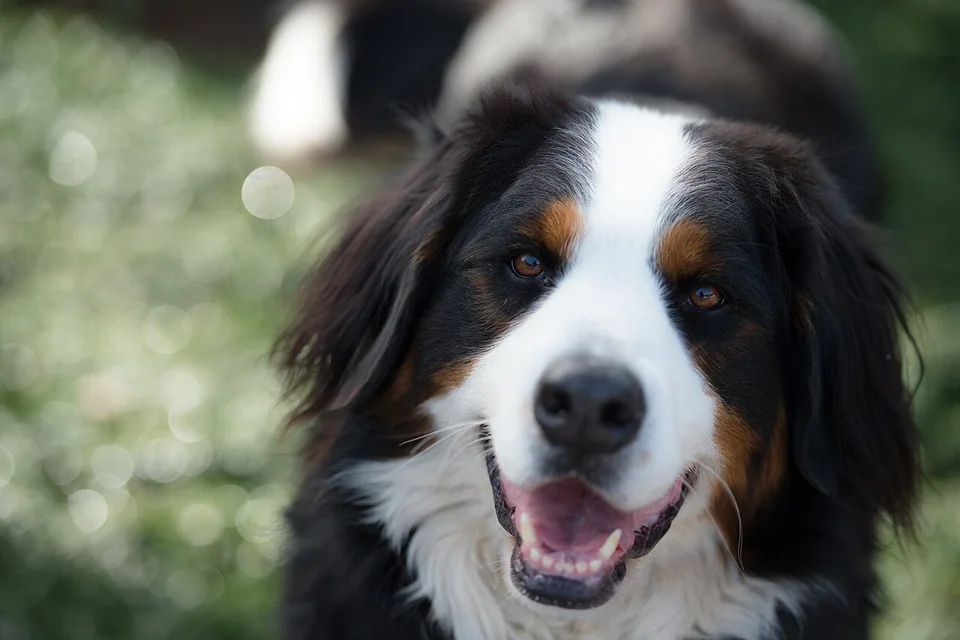
Black, white, and brown dog with an open-mouth smile
Costs · Dental Care

A dental estimate can include an exam, imaging, and cleaning.*

How much does a dog dental cleaning cost?

A professional dental cleaning — veterinarians call it a COHAT, short for comprehensive oral health assessment and treatment — is done under general anesthesia. That's what makes it more than a quick polish: the vet can examine every tooth, take X-rays and clean beneath the gumline. Here is how a typical bill is built at average US prices:

Dog dental cleaning: itemized estimate (no extractions)
ItemLowTypicalHigh
Pre-dental exam$45$65$90
Pre-anesthetic bloodwork$90$140$220
General anesthesia and monitoring$150$250$400
Scaling and polishing$150$250$400
Full-mouth dental X-rays$100$150$250
IV catheter and fluids$40$70$120
Total≈ $575≈ $925≈ $1,480

If teeth need to come out

Common add-ons
Add-onTypical cost
Simple extraction (loose or small tooth)$20–$80 each
Surgical extraction (large or multi-root tooth)$75–$300 each
Local nerve blocks$30–$80
Take-home pain relief$30–$90
Senior lab add-ons (urinalysis, thyroid)$50–$130
Advanced gum disease (grade 3–4) cleaning+15–60% on scaling

A dog with grade 3 gum disease needing three surgical extractions might total about $900–$2,600 at average prices, typically around $1,500. In high-cost states like California, add roughly 30%. Because extractions only become clear once X-rays are taken, ask your clinic to call you with an updated estimate before doing extra work.

Is dental cleaning worth it for dogs?

Dental disease is the most common health problem vets see in adult dogs, and it's usually painful long before it's obvious. Dogs rarely stop eating from tooth pain; they just chew on one side, drop food or get quieter. A professional cleaning with X-rays removes plaque and tartar below the gumline, finds infected roots and fractured teeth, and stops infection from spreading. For many owners, the clearest sign it was worth it is a dog who acts years younger afterward.

Anesthesia vs. anesthesia-free cleaning

Anesthesia-free or "cosmetic" cleanings scrape tartar off the visible tooth surface while the dog is awake. The American Veterinary Dental College does not recommend them: they can't clean under the gumline where gum disease lives, they don't allow dental X-rays, and sharp instruments near an awake dog's gums can cause injury and fear. Teeth may look white while infection continues below. A groomer's tooth-brushing add-on is useful daily-care support, but it isn't a dental cleaning.

Is anesthesia safe for a 13-year-old dog?

Modern veterinary anesthesia is far safer than many owners fear, and age alone isn't a reason to skip dental care. For a senior dog, ask your vet about:

  • Pre-anesthetic bloodwork and urinalysis to check kidneys and liver
  • A heart check — chest X-rays or ECG if there's a murmur
  • IV fluids and a dedicated anesthesia technician
  • Monitoring of oxygen, blood pressure, ECG and temperature
  • Your dog's anesthetic risk category and the expected benefit

Leaving painful, infected teeth in place has its own risks for an older dog. Your vet can help you weigh both sides.

With insurance vs. without insurance

Without insurance, you pay the full estimate. With a typical accident and illness policy, routine cleanings usually aren't covered, but extractions or treatment for periodontal disease often are — with your deductible and reimbursement rate applied. A $2,000 dental where $1,000 is covered extractions might reimburse about $600 on a $250 deductible, 80% policy. Use the pet insurance calculator to see how a policy's terms play out.

Methodology: how this calculator works
The estimate adds typical US ranges for a pre-dental exam, pre-anesthetic bloodwork (plus senior labs for older dogs), general anesthesia and monitoring scaled by body size, scaling and polishing adjusted for periodontal disease grade 1–4, full-mouth dental X-rays, IV fluids, and any simple or surgical extractions with nerve blocks and take-home pain relief. Totals are multiplied by a state cost index. Your vet's final bill depends on what the X-rays show during the procedure.

Read the full methodology, formulas and source list

Frequently asked questions

How much does it cost to clean a dog's teeth at the vet?
A professional cleaning under anesthesia with full-mouth dental X-rays and pre-anesthetic bloodwork typically costs about $575–$1,500 in the US, often around $900. If teeth need to come out, simple extractions add about $20–$80 each and surgical extractions about $75–$300 each, so totals of $1,200–$3,000 or more are common for dogs with advanced gum disease.
Is dental cleaning worth it for dogs?
For most dogs, yes. By age 3, most dogs have some gum disease, which is painful and can lead to infected roots, tooth loss and jaw damage. Professional cleanings with X-rays find and treat problems below the gumline early, when they are cheaper to fix. Many dogs eat and play better afterward because a hidden source of pain is gone.
Is it safe to put a 13-year-old dog under anesthesia for teeth cleaning?
Often yes, with the right preparation. Age is not a disease. Before anesthesia, your vet should run bloodwork and a urine test, check the heart (sometimes with chest X-rays or an ECG), place an IV catheter for fluids, and monitor oxygen, heart rate, blood pressure and temperature throughout. Untreated dental infection is itself a health risk for seniors. Ask your vet about your dog's specific risk level.
Is anesthesia-free dental cleaning OK for dogs?
The American Veterinary Dental College does not recommend it. Scraping visible tartar while a dog is awake doesn't clean below the gumline, where gum disease does its damage, doesn't allow X-rays, and can be stressful or painful. It can make teeth look clean while disease continues underneath.
Does pet insurance cover dog dental cleaning?
Standard accident and illness policies usually don't cover routine cleanings. Many do cover extractions or treatment for periodontal disease or tooth injuries, sometimes only if the dog has had regular dental exams. Some wellness add-ons include a small yearly dental allowance. Check your policy's dental wording before booking.
How can I find low-cost dog teeth cleaning?
Ask your vet about February dental-month discounts, check nonprofit and humane society clinics and veterinary school teaching hospitals, and compare itemized estimates from two or three clinics. Make sure lower quotes still include anesthesia monitoring, dental X-rays and pain control.

Informational tool only — not a substitute for veterinary medical advice. Results are estimates built from published veterinary references and the details you enter. Your pet's needs can differ, so confirm feeding plans, health concerns and costs with your veterinarian. If you suspect poisoning or an emergency, call your vet or an emergency animal hospital now. Full veterinary disclaimer.

Photo: Takashi Hososhima from Tokyo, Japan, CC BY-SA 2.0 (Wikimedia Commons)