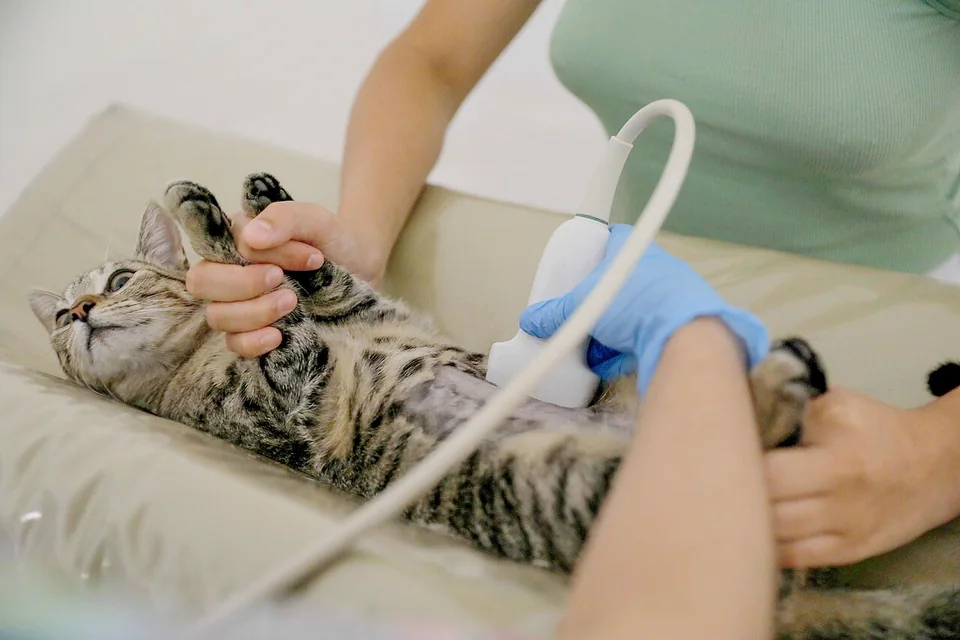
Example: abdominal surgery for a swallowed object
Foreign-body surgery — removing a sock, toy or corn cob from the stomach or intestines — is one of the most common emergency operations in dogs. Here is how a typical bill builds up for a medium-sized dog at a general practice, at average US prices:
| Item | Low | Typical | High |
|---|---|---|---|
| Exam | $45 | $65 | $95 |
| Pre-anesthetic bloodwork | $90 | $140 | $220 |
| X-rays to find the object | $150 | $250 | $400 |
| Anesthesia and monitoring | $120 | $200 | $350 |
| Surgery (abdominal exploration and removal) | $1,500 | $2,300 | $3,800 |
| IV catheter and fluids | $40 | $70 | $120 |
| Hospital stay (2 nights) | $300 | $600 | $1,200 |
| Pain medication and cone to go home | $40 | $65 | $110 |
| Recheck and suture removal | $0 | $40 | $75 |
| Total | ≈ $2,300 | ≈ $3,700 | ≈ $6,400 |
If the intestine is damaged and part of it must be removed, or the surgery happens overnight at an emergency hospital, totals of $5,000–$8,000 are not unusual. Getting to the vet quickly after a known swallow sometimes allows the object to be retrieved by vomiting or endoscope instead — far cheaper than surgery.
General practice vs specialist surgeon: cost breakdown
The same operation costs more at a referral hospital with a board-certified surgeon. The consult fee is higher, and the surgery, anesthesia, imaging and hospital nights run about 30% above general-practice prices. Bloodwork, take-home medication and the recheck usually cost about the same. Here is the foreign-body estimate above, side by side:
| Item | General practice | Specialist surgeon |
|---|---|---|
| Exam or surgical consult | $65 | $175 |
| Pre-anesthetic bloodwork | $140 | $140 |
| X-rays | $250 | $325 |
| Anesthesia and monitoring | $200 | $260 |
| Surgery | $2,300 | $2,990 |
| IV catheter and fluids | $70 | $90 |
| Hospital stay (2 nights) | $600 | $780 |
| Pain medication, cone and recheck | $105 | $105 |
| Typical total | ≈ $3,730 | ≈ $4,865 |
| Low–high range | $2,300–$6,400 | $3,000–$8,300 |
A specialist is often worth the difference for complex orthopedic work such as a TPLO or fracture repair, for which the calculator defaults to specialty pricing. For a straightforward foreign body or spay, a general practice is usually fine. When in doubt, get a quote from each.
Common dog surgery costs
| Procedure | Procedure fee | Typical all-in |
|---|---|---|
| Spay (full-service clinic) | $200–$500 | $500–$1,200 |
| Spay or neuter (low-cost clinic) | $70–$300 package | |
| Lump or mass removal + biopsy | $300–$900 | $750–$2,150 |
| Cherry eye repair (per eye) | $300–$800 | $600–$1,500 |
| Bladder stone removal | $900–$2,000 | $1,600–$3,500 |
| Extracapsular ACL repair | $1,200–$2,600 | $2,000–$4,200 |
| TPLO (cruciate ligament) | $3,000–$5,500 | $4,000–$7,500 |
| Pyometra (infected uterus) | $1,000–$2,600 | $1,800–$4,500 |
| Bloat (GDV) with gastropexy | $2,500–$5,800 | $3,500–$8,500 |
Emergency vet costs: what to ask about
Swallowed objects, bloat and pyometra often turn up at night or on weekends. An emergency hospital adds charges a planned surgery doesn't have, so ask about each of these when you get the estimate:
| Charge | Typical range | What to know |
|---|---|---|
| Emergency exam fee | $125–$275 (≈ $175) | Charged on arrival, before any tests or treatment |
| Overnight hospitalization | $700–$2,500 a day (≈ $1,300) | Includes IV fluids and monitoring; compare with about $150–$600 a night after a planned surgery |
| Intensive care (ICU) | $1,500–$4,500 a day (≈ $2,500) | For unstable pets; ask for a daily update on the running total |
| After-hours surgery | About 30–50% above the typical figure | Our ≈ $3,730 foreign-body example becomes roughly $4,850–$5,600 |
| Treatment and take-home medication | $100–$600 (≈ $250) | Pain relief, anti-nausea drugs, antibiotics |
If your pet is stable, calling your regular vet or an urgent-care clinic first can cost far less than going straight to an ER.
Regional pricing differences across US states
Vet prices follow local costs of rent and wages. The calculator adjusts every line by a state cost index; here is how the same foreign-body surgery compares:
| State (cost index) | Foreign body surgery | Emergency exam fee |
|---|---|---|
| Mississippi (0.82) | ≈ $3,060 | ≈ $145 |
| Texas (0.96) | ≈ $3,570 | ≈ $170 |
| US average (1.00) | ≈ $3,730 | ≈ $175 |
| California (1.30) | ≈ $4,845 | ≈ $230 |
| New York (1.32) | ≈ $4,920 | ≈ $230 |
Within a state, clinics in major metro areas run about 12% higher than suburban ones, and rural clinics about 12% lower.
Can you negotiate vet surgery costs?
Vet clinics rarely haggle like a car lot, but there is usually room to talk about the plan. Ask:
- Which parts are essential, and which are recommended but optional?
- Is there a less costly technique that's still a good option for my dog? (For example, extracapsular repair instead of TPLO for some smaller dogs.)
- Could my dog go home sooner and continue recovery with me?
- Can a general practice do this, or does it need a specialist?
- Do you offer payment plans, or accept veterinary credit lines?
What you shouldn't cut: safe anesthesia monitoring and pain control. Those protect your dog's life and comfort.
What happens if you can't afford surgery?
You have more options than it may feel like in the moment. Ask about staged treatment, a referral to a veterinary school or nonprofit hospital, local and breed-specific assistance funds, and financing. For some conditions — a partial ligament tear or certain bladder stones, for example — medical management may be a reasonable alternative to try first. Your vet can also talk honestly with you about quality of life if treatment isn't possible. To get ahead of the next big bill, see whether the pet insurance calculator shows a policy would pay off for your pet.
Is surgery safe for an 11-year-old dog?
Age is not a disease. Many healthy senior dogs handle anesthesia well, and fixing a painful problem can give them good years. Before surgery, your vet will usually run bloodwork and a urine test, and may suggest chest X-rays or a heart check. Ask about the dog's anesthetic risk category, the expected recovery time, and the realistic benefit. For large and giant breeds, 11 is quite old, so the conversation weighs comfort and recovery more heavily.
Fasting and getting ready for surgery day
Most clinics ask you to withhold food from the night before (or for 8–12 hours), while water is usually fine until the morning. Some now use shorter fasting times, and puppies, toy breeds and diabetic pets often get special instructions, so always follow your clinic's sheet. Take your dog for a calm potty walk, bring a list of current medications, and make sure the clinic has a phone number where you can be reached.